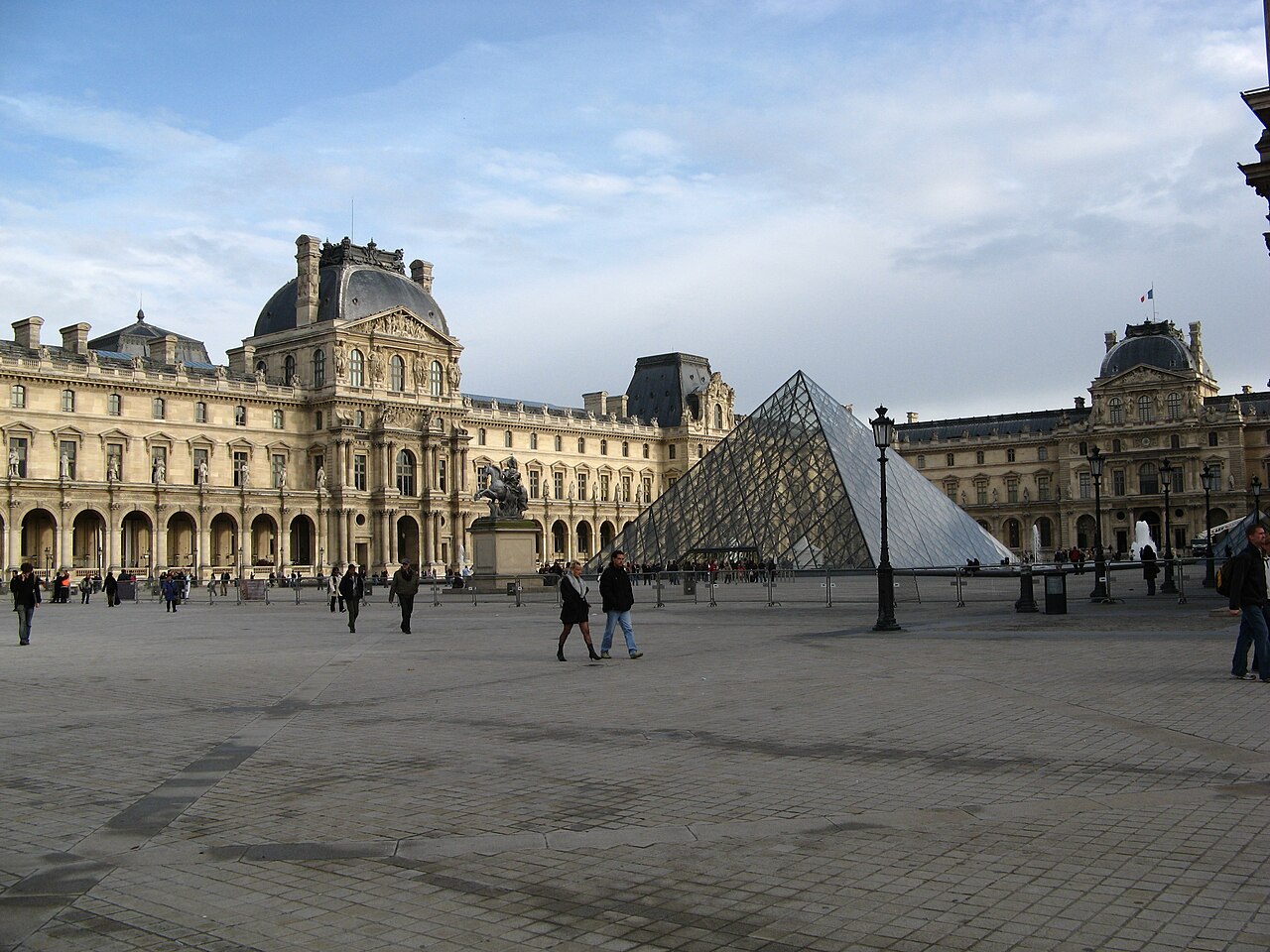
01Museum
Louvre
Art museum in Paris, France.
Where to stay
A medieval fortress in Paris, the Bastille Saint-Antoine is also called the Bastille. The Place de la Bastille square stands where it once was.
We may earn a commission if you book through our links. It never changes the price you pay.
01At a glance
02The short version
The Bastille Saint-Antoine was a medieval fortress in Paris, built from 1370 and gone by 1789/90. It stood at the eastern approach to the city, where the castle was raised to defend against potential English attacks in the Hundred Years' War. The Place de la Bastille public square now occupies the site.
The fortress served for much of its history as a state prison under the kings of France and featured in the country's internal conflicts. A crowd stormed it on 14 July 1789, in the French Revolution, and it became a symbol for the French Republican movement. People interested in the French Revolution and in medieval fortresses will find the story here.
UK flights land at Paris Charles de Gaulle and Paris Orly, with Beauvais–Tillé also listed. Our booking partner can quote your airport transfer for the date and hotel.
03Days out nearby
01Museum
Art museum in Paris, France.
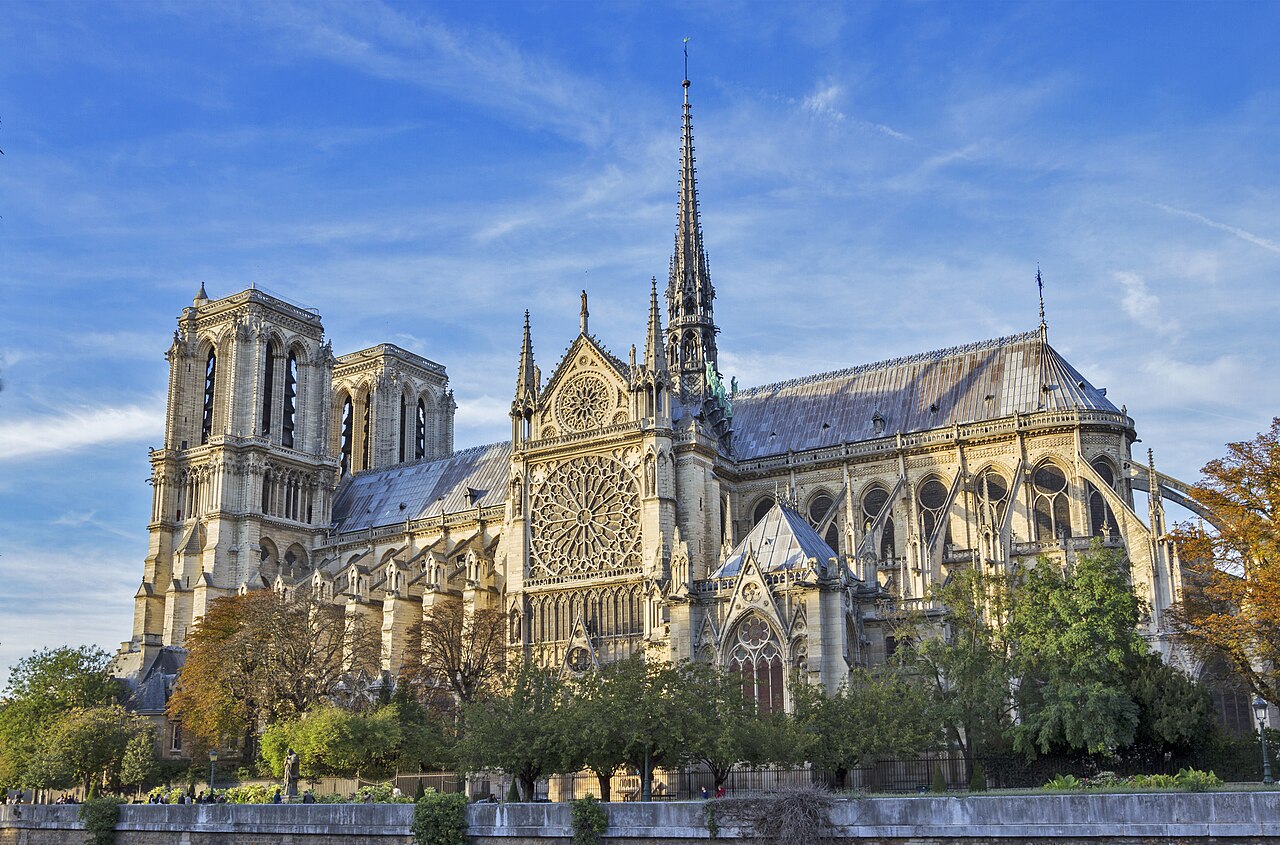
02Church
Cathedral in Paris, France, built 1163–1345.
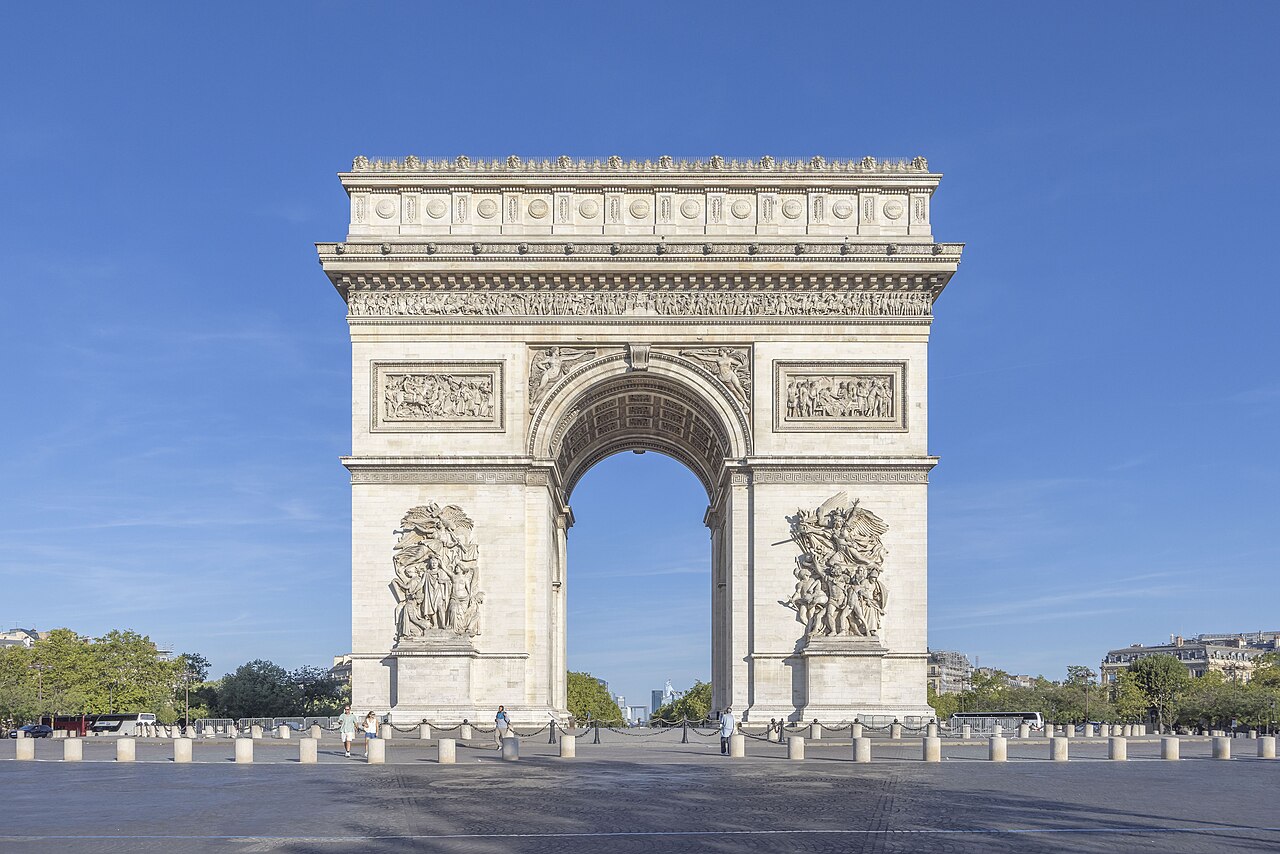
03Attraction
Triumphal arch in Paris, France.
04Other areas
05Questions
It was a fortress in Paris, the Bastille Saint-Antoine. It was built as a castle to defend the city's eastern approach against possible English attacks during the Hundred Years' War.
Hotel prices are live through our booking partner. Enter your dates to see prices for hotels in the area, and check the figure again before you book.
A crowd stormed the fortress on 14 July 1789. For much of its history the kings of France had used it as a state prison, and the Place de la Bastille square now occupies the site.